11 September 2026
Microgreens vs Mature Vegetables: The Nutrition Facts
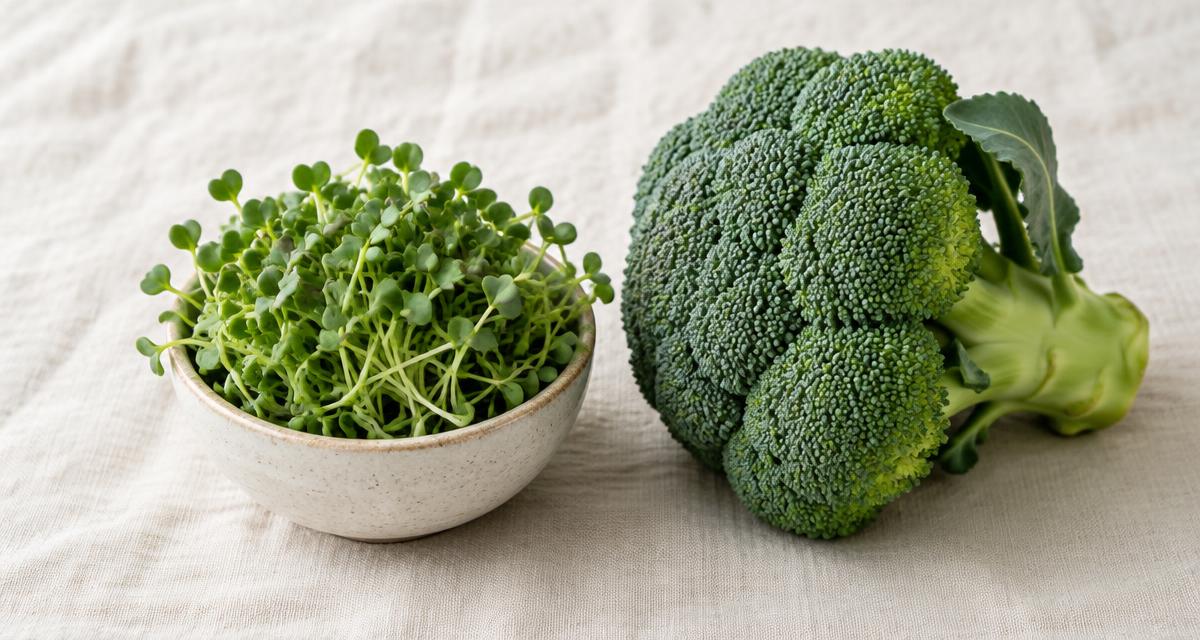
"Superfood" gets thrown around a lot. So are microgreens actually more nutritious, or is it just hype? Let's look at what the research says — and which greens fit which goals.
What the research says
A widely cited study by researchers at the University of Maryland and the USDA analysed 25 varieties of microgreens. They found that many contained 4 to 40 times higher concentrations of certain nutrients — such as vitamin C, vitamin E, vitamin K and beta-carotene — than the mature leaves of the same plants.
Why? A seedling packs everything it needs to grow into those first tiny leaves. When you harvest at that stage, you capture the nutrients at their most concentrated.
An important reality check
Microgreens don't replace your sabzi. You eat them in smaller quantities, so think of them as a powerful boost on top of a balanced diet — not a substitute for vegetables, dal and grains.
Which microgreen for which goal?
Broccoli microgreens — everyday wellness
Broccoli microgreens are known for sulforaphane, a compound studied for its antioxidant properties. Mild in taste, they're the easiest to add to any meal.
Radish microgreens — digestion and spice
Rich in vitamin C and with a peppery bite, radish greens are perfect on chaat, eggs and sandwiches.
Sunflower microgreens — protein and energy
Sunflower shoots are crunchy, nutty and contain plant protein, healthy fats and minerals like zinc and magnesium. A favourite for gym-goers and kids.
Pea shoots — vitamins A and C
Sweet and tender, pea shoots are packed with vitamins and fibre. Great in stir-fries or straight out of the box as a snack.
Mustard microgreens — metabolism and flavour
Mustard greens bring a sharp, wasabi-like heat and are a great source of vitamin K. A little goes a long way in parathas and raitas.
Fresh is where the nutrition lives
Vitamins like C start breaking down after harvest. Greens that travel for days lose much of what makes them special. Buying locally grown microgreens in Bengaluru — harvested the day of delivery — means you get the nutrition the studies talk about.
How much should you eat?
A small handful (20–30g) a day is a great habit. One 100g box from us lasts most people 3–5 days.
Want to try the full range? See all our varieties or build a mixed enquiry on WhatsApp.
This article is for general information and is not medical advice. Please consult a doctor or nutritionist for specific dietary needs.
Want fresh microgreens this week?